Privacy vs. Public Safety: Finding a Responsible Balance
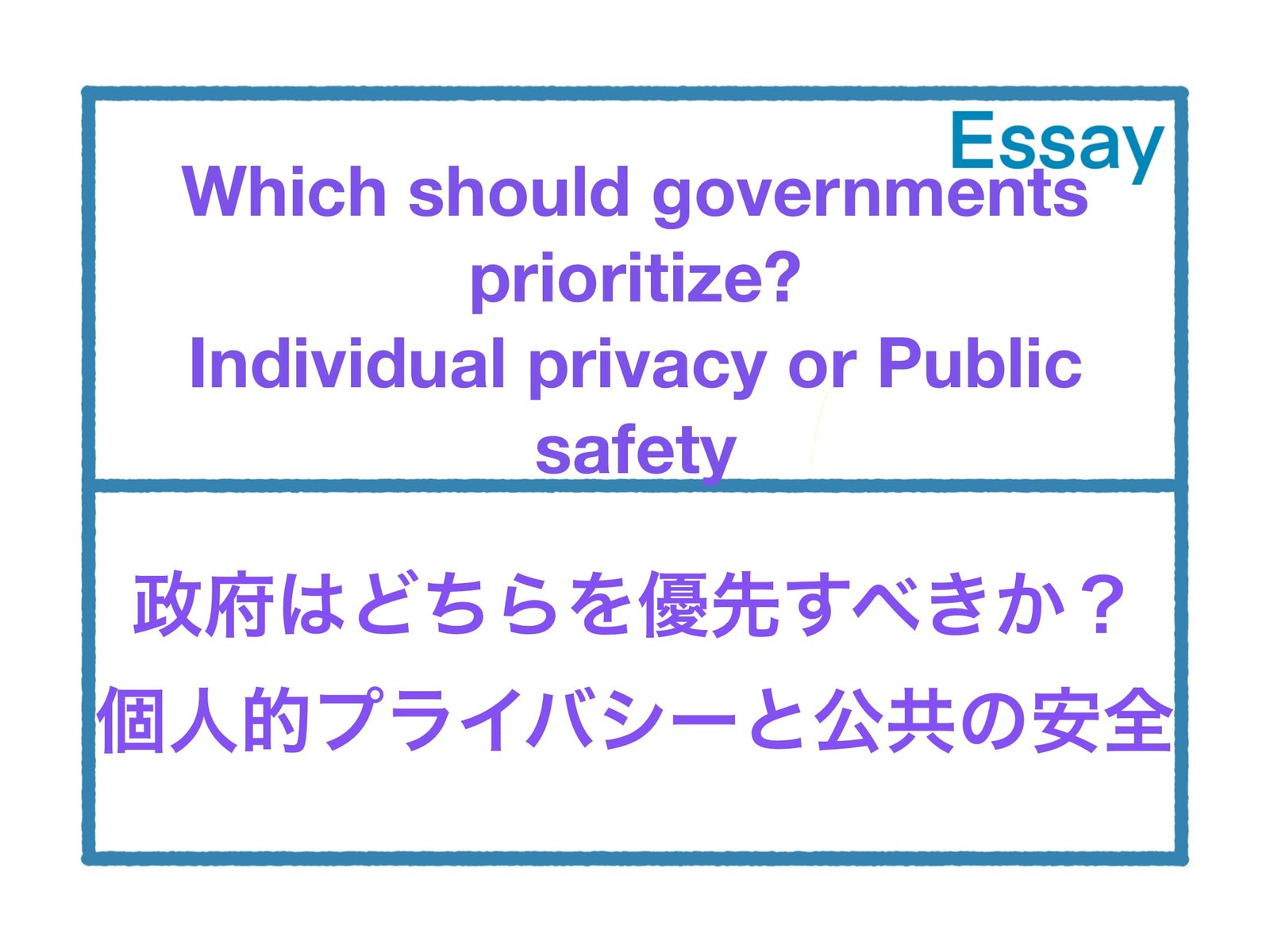
How should governments balance privacy vs public safety? Surveillance can help prevent crime and document incidents, but it can also expose people to unwanted monitoring and misuse of personal information. A responsible approach must protect both public safety and the fundamental right to privacy.
How Surveillance Technology Is Expanding
Surveillance technology is developing rapidly. AI-powered facial recognition, closed-circuit television, and doorbell cameras can record activity around the clock. This may make people feel watched without their knowledge or consent, while also increasing the risk that sensitive information will be accessed by individuals or authorities without a legitimate reason.
Protecting Personal Data
Concerns about Flock cameras illustrate these risks. The system is intended to track vehicle movements for public safety, but allegations of personal use by some police officers have increased public anxiety. Personal information could also be exposed, stolen, or sold to questionable businesses. Data collection should therefore be limited to clearly defined public-safety purposes and monitored by accountable authorities.
Benefits of Surveillance
Surveillance can also help prevent and solve serious crimes, including terrorism and mass violence. Cameras and other recordings may assist with theft investigations, traffic accidents, fights, sudden violence, and missing-person cases. In Japan, dashcam footage provided by members of the public has helped authorities investigate recent incidents. When personal data is handled responsibly, surveillance can contribute to a safer society.
Rules That Protect Public Trust
Even when surveillance serves public safety, personal information must be protected by strict laws. Misuse of body-camera footage and other sensitive data can weaken public trust in authorities. The answer is not unrestricted access, but clear and transparent rules covering collection, storage, access, retention, and accountability. These safeguards can reduce abuse without making surveillance ineffective.
A Careful Balance
Governments should prioritize public safety because it directly affects human life and well-being. However, surveillance and personal information should be used only for clearly defined purposes and handled by properly trained personnel. Strong, transparent regulations are essential to protect both public safety and individual privacy.
個人のプライバシーと公共の安全――適切なバランスとは
政府は何を優先すべきか
個人のプライバシーと公共の安全の対立は、重要な倫理的ジレンマである。最近、社会の注目を集めたFlockのような監視カメラシステムには、本人の同意のない監視や個人情報の悪用に対する懸念がある。公共の安全は重要であり、監視システムは犯罪の防止や事件の記録に役立つ。しかし、個人のプライバシーも基本的人権である。そのため政府は、両者のバランスを慎重に取り、個人情報が正当な目的のために、訓練を受けた専門家によってのみ扱われるようにしなければならない。
監視技術の広がり
人工知能と同じように、監視技術も急速に発展している。AIを利用した顔認識システム、監視カメラ、ドアベルに設置されたカメラまでが、広い範囲を24時間記録している。本人が知らないうちに、または同意しないまま監視される可能性を考えると、不安を感じる人もいるだろう。個人や当局が機密性の高い情報にアクセスできてしまう危険もある。
個人情報を守る必要性
Flockカメラをめぐる懸念は、まさにこの危険性を示している。このシステムは公共の安全のために車両の移動を追跡するものだが、一部の警察官が私的な理由で使用したという疑惑によって、人々の不安が高まった。個人情報の流出や盗難、企業への販売を防ぐため、情報の利用は厳しく規制し、公共の安全に関する目的に限定すべきである。
監視が役立つ場面
一方で、監視は犯罪の防止や解決に役立つ。街頭カメラや顔認識システムは、テロや大規模な暴力事件などの重大な犯罪に対応する際に有用だろう。また、窃盗、交通事故、けんか、突然の暴力、行方不明者の捜索にも役立つ。日本では、一般市民から提供されたドライブレコーダーの映像が、最近起きた複数の事件の解決に貢献した。個人データが責任を持って扱われるなら、監視は安全な社会に利益をもたらす可能性がある。
信頼を守るためのルール
監視が公共の安全のために使われる場合でも、個人情報は厳しい法律によって保護されなければならない。警察のボディカメラの映像やその他の機密データが悪用されれば、当局への信頼は失われる。データの収集、保管、利用、保存期間、責任の所在について、明確で透明性のある規則を整備することが不可欠である。
慎重なバランスを目指して
結論として、政府は人々の生命と幸福に直接関わる公共の安全を重視すべきである。しかし、監視と個人情報の利用は、明確に定められた目的に限定し、適切な訓練を受けた担当者だけが行うべきだ。公共の安全と個人のプライバシーの両方を守るため、厳格で透明性のある規則を早急に整備する必要がある。